
4WD SUSPENSION IN MOLENDINAR
The right suspension conversation starts with what your 4WD carries and where it goes. A vehicle used for daily driving needs a different balance from one that carries permanent touring equipment and spends long periods loaded.
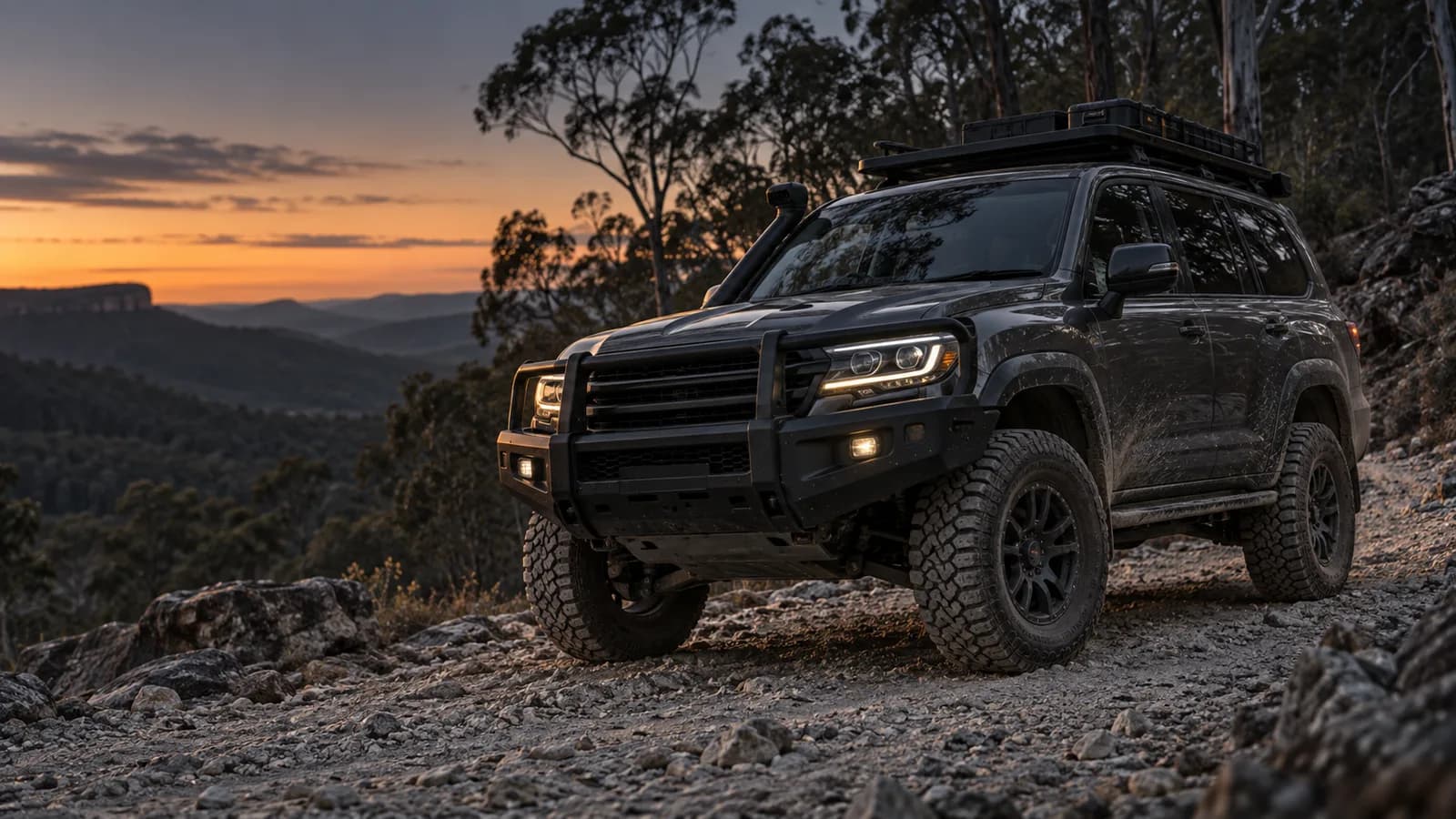
Know what stays on the vehicle
Bullbars, winches, drawers and other permanent accessories contribute to the load the suspension supports every day. Camping gear, passengers and supplies add a variable load. Separate those two categories when planning a setup. Springs chosen for weight that is rarely carried may give an unnecessarily firm ride during normal driving.
Springs and dampers have different jobs
Springs support weight and influence how the vehicle sits. Dampers control movement as the suspension compresses and extends. Matching those functions to the vehicle and its use matters more than focusing on a single feature. A setup should account for the balance between everyday comfort, loaded behaviour and the surfaces you regularly drive.
Think beyond the advertised lift
Ride-height changes can affect suspension geometry and the working range of related components. The outcome depends on the vehicle, existing condition and parts chosen. Consider tyre clearance, alignment needs, available travel and other supporting work before committing to a package. A lift figure on its own does not describe how the vehicle will ride or handle.
- Vehicle model and existing suspension changes.
- Permanent front and rear accessory weight.
- Typical touring load and towing use.
- Current ride height, tyre size and handling concerns.
Plan for towing and changing loads
A trailer changes the load on a vehicle and can expose a setup that is poorly matched to its normal use. Share the details of your towing arrangement and the loads you actually carry. Suspension changes cannot replace correct loading or change permitted limits on their own. If the vehicle alternates between light daily use and heavier touring, that variation needs to be part of the discussion.
Assess wear before upgrading
Bushes, joints, mounts and other existing components can influence the result of new suspension. Tell us about knocks, uneven tyre wear or a vehicle that no longer feels settled. An inspection can help separate wear that needs repair from a change you want to make for a different use. Bring any records of earlier modifications or replacement parts.
Make the brief useful
You do not need to arrive with a parts list. Tell us what currently works, what feels wrong and what your next trip involves. We can discuss the proposed workshop scope and the information needed to assess suitable options. Confirm any relevant modification requirements before committing to a change in vehicle specification.
Talk to Krakin about your build.
Share your make and model, typical load, accessories, towing needs, terrain and desired ride height. Those details are the starting point for a useful setup discussion.
Enquire about your 4WDYOUR QUESTIONS.
STRAIGHT ANSWERS.
Do I need a lift for touring?
Not automatically. The decision depends on your vehicle, terrain and requirements. Managing loads and replacing worn components may be more relevant than adding height.
Why is my upgraded suspension harsh when empty?
A setup intended for a heavier constant load can feel firm when lightly loaded. Tyres, pressures and component condition can also affect ride quality. An assessment can help identify the contributing factors.
Should I install accessories before changing suspension?
Knowing the final permanent accessory load helps with planning. Contact us before either step so the sequence can account for what will be added and what is already fitted.
Can suspension upgrades increase towing capacity?
Do not assume a suspension upgrade changes permitted towing or vehicle mass limits. Those limits and any proposed changes need to be considered separately.